How to improve your signature.
Your signature is one of the few marks that is entirely yours, and most of us settled on ours as a teenager and never thought about it again. That is a missed chance. A signature can be designed, learned and improved, and the right pen turns signing from a scribble into something you enjoy. Here is how to make yours worth the name.
A better signature can be learned. Make it distinctive so it is clearly yours and hard to copy, give one letter a deliberate accent, and skip the dramatic underline. Sign with a pen that lays a fuller line, a fountain pen, a bold rollerball, or a document-proof ballpoint for anything legal. In the US the law cares about intent and consistency, not legibility, so once you settle on a signature, sign it the same way every time.
Your signature is worth improving.
A signature is a fixed part of who you are. We identify ourselves with it, close contracts with it, and use it to mark that a document matters. And yet most of us treat it as an afterthought.
It gets scribbled in a hurry, rarely thought through. A couple of looped letters, a hook, a line, done. Often we keep the same signature for life, the one we invented as a teenager the first time we had to sign an ID card, and never touch it again.
That is a shame, because a signature can express a lot about you. The good news is that it is never too late to improve it, and doing so is more straightforward than you would think.
A better signature can be learned.
Just like neat, clean handwriting, a signature can be learned. There are even handwriting coaches who help people do exactly this.
Two rules sit underneath all the advice that follows. First, it has to come from you. There is no single formula that works for everyone, so the goal is a signature that fits you, not a copy of someone else's. Second, take your time. Most people want to scrawl something fast because they are a little embarrassed by their signature. Slowing down is the single biggest change you can make.
Most people want to scribble something quickly because their signature embarrasses them. That is exactly the habit worth breaking.On signing well
Does it have to be legible?
A signature has to be clean and readable, right? Ask your doctor about that one.
In truth it barely matters how legible your signature is. Plenty of them are just a few lines that bear no real resemblance to letters, the classic doctor's signature being the obvious example. What counts is that the mark is distinctly yours, which is the next point.
That said, a clean and readable signature is itself an expression of personality. By taking care when you sign, you show that the act means something to you. Legibility is not required, but care always shows.
Make it distinctive.
What does matter, including legally, is that a signature is distinctive. However illegible it may be, it has to be clearly and unmistakably yours.
That calls for characteristic features. It might be a particular swing as you write, or a specific way you shape certain letters. This is exactly why signing with a plain squiggle, or the proverbial three crosses, is a poor idea: there is nothing in it that is recognizably you, and nothing that is hard to copy.
Build in one or two features that are unmistakably yours, and you get two things at once: a signature that is clearly attributable to you, and one that is harder for anyone else to forge.
What makes a signature look good.
Beauty is in the eye of the beholder, signatures included. Even so, a few things reliably make a signature more pleasing.
Set an accent. Emphasizing a letter, often the first one, both raises the signature's distinctiveness and makes it more artful and significant. A little flourish is expressly allowed.
Add a small embellishment. An unusual, personal dot on an i, say, or an extra sweep at the end that suggests motion and energy. These tiny touches lift a signature without crowding it.
Go easy on the underline. Many people finish with a big flourish or a line drawn under the name. Experts warn against it: it reads as overdone and pushy, almost as if you were trying to sell something. Keep the flair inside the signature rather than beneath it.
Write your name ten ways. Keep the version you like best. Give one letter, usually the first, a deliberate accent. Add one small personal touch, like a distinctive dot or an end sweep. Resist the dramatic underline. Then practice it until it flows the same way every time.
The pen and the line weight.
Ballpoints and rollerballs come with different refill widths, and fountain pens with different nib grades, for a reason: the job changes which line weight is right. For a signature, a fuller line is almost always better.
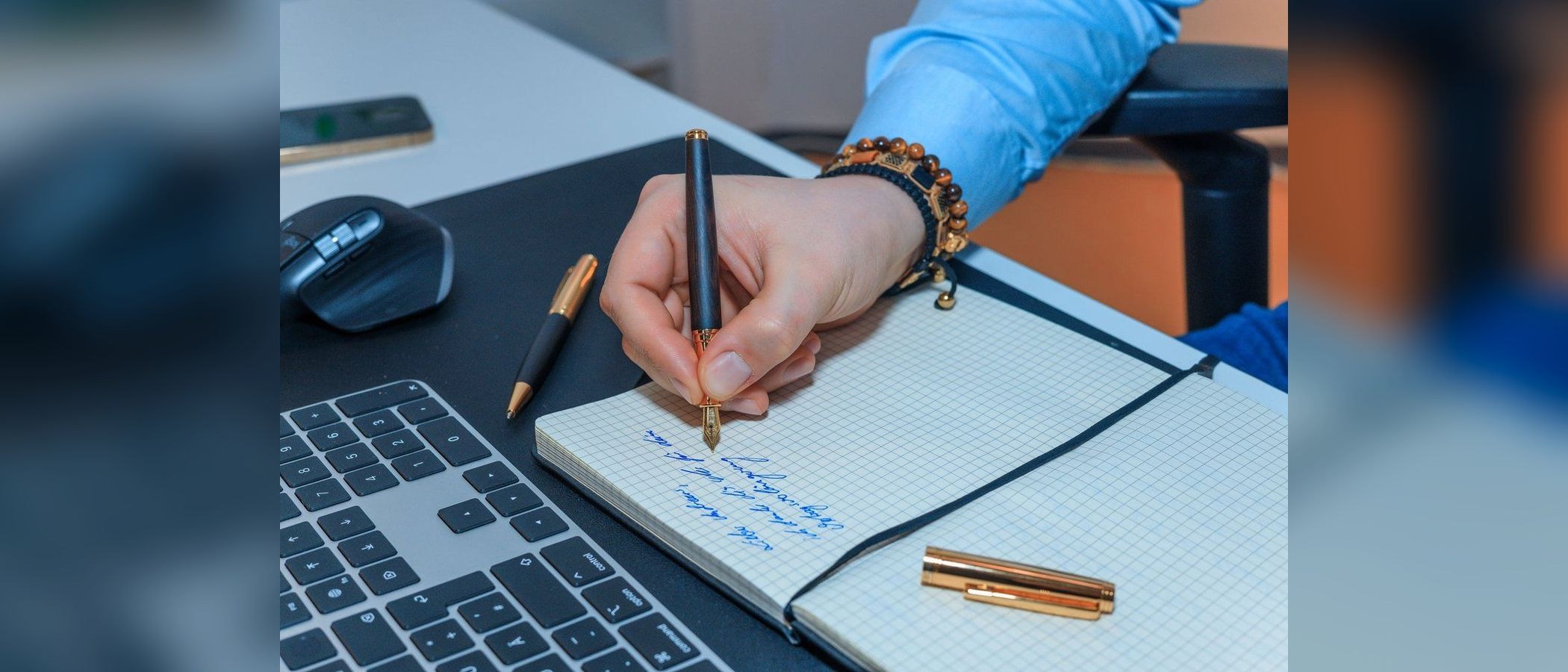
A broader stroke emphasizes the signature and gives it weight, where a thin line can look tentative under your name. With a fountain pen that means leaning toward a fuller nib rather than a fine one; a medium already lays a more confident line than an extra-fine. A rollerball lays the boldest, smoothest line of the everyday pens, which suits an expressive, artful signature. People who sign all day often keep a dedicated pen for it, a little more substantial and grippy in the hand, fitted with a fuller refill.
One more thing for anything that matters. Important documents call for document-proof ink: waterproof, smudge-resistant, and still clearly legible years later. A ballpoint with a document-proof refill is the safe choice for contracts and forms. To compare the formats, see our guide on ballpoint vs rollerball, and for nib grades, fountain pen nib sizes.
Keep it practical and functional.
A signature should not only look good and be distinctive, it also has to be practical for the way you actually sign. Two quick examples make the point.
A manager who signs dozens of documents a day is badly served by a long, elaborate signature, since it simply costs too much time. A short signature that goes down fast is the better tool. An artist is the opposite case: the cultural weight of the signature matters more, so an elaborate, artful mark is worth the extra seconds.
So one person is chasing brevity while another values beauty. Decide your own priorities before you settle on anything. A few more questions help: do you sign your full name or just your last name? Are you after a simple signature that is easy to remember and repeat? And looking at the signatures of public figures you admire is a genuinely useful way to find inspiration.
The US legal reality.
For most of us, beyond the actor or musician giving autographs, the practical question is what the law actually requires. In the US, the answer is reassuringly relaxed.
US law does not require your signature to be legible, to be cursive, or to be your full legal name. What makes a signature binding is your intent to sign. The federal ESIGN Act and the state-level UETA go further still, making typed and electronic signatures valid for most purposes. An illegible scrawl is every bit as binding as a careful one, provided you meant it as your signature.
What does matter in practice is consistency. Banks, notaries and anyone verifying a document compare your signature against the one on file, on your ID or a signature card. So the real legal value of a good signature is not neatness, it is signing the same recognizable way every time. That is also your best everyday protection against forgery.
None of this is legal advice, and specific documents, like a will or a notarized form, can carry their own rules. But for daily signing, intent plus consistency is the whole of it.
Treat yourself to a signing pen.
It is never too late for a new signature, and a new signature is the perfect excuse to give yourself a pen worthy of it. The right instrument underlines that your signature, and the moment of signing, actually matter.
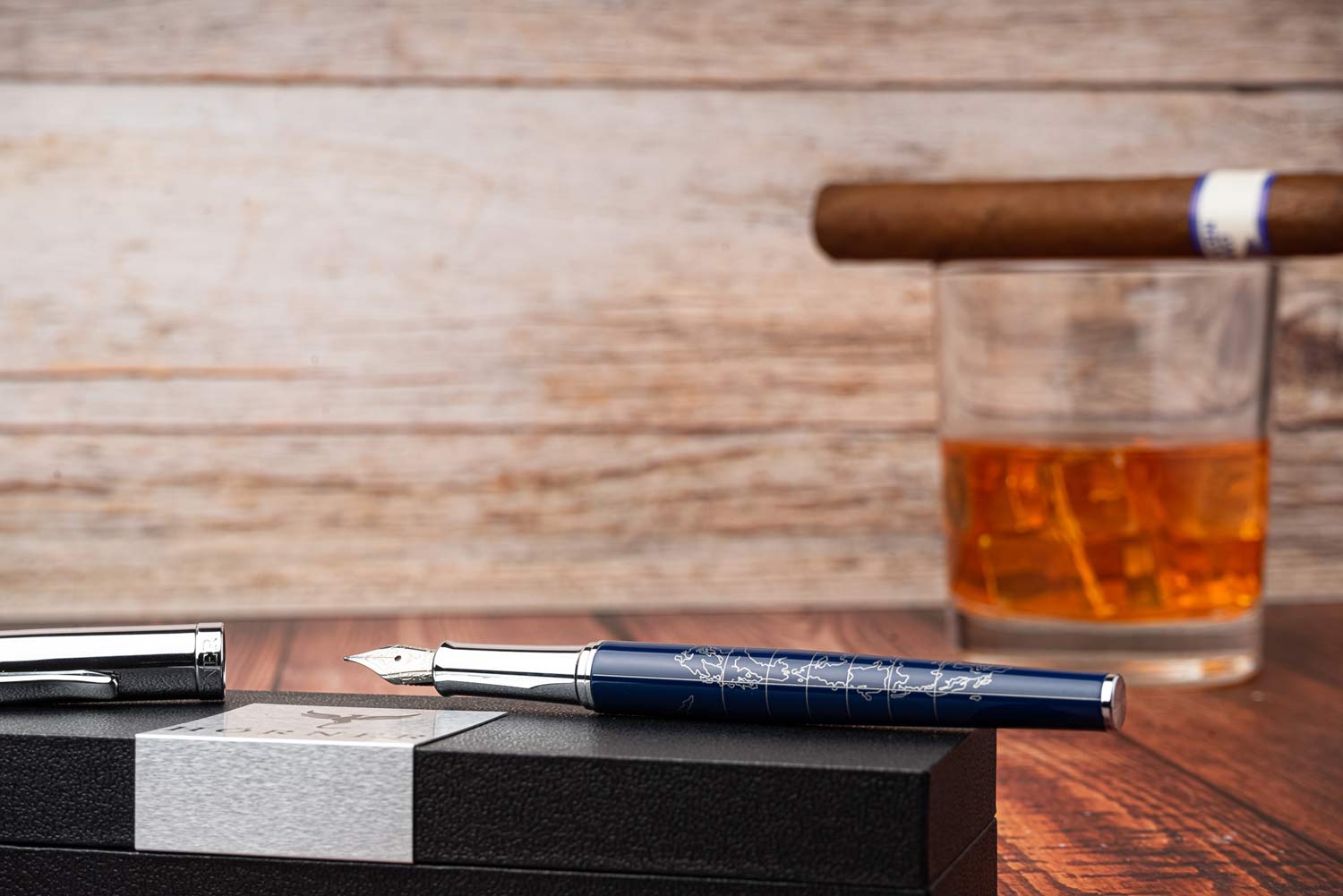
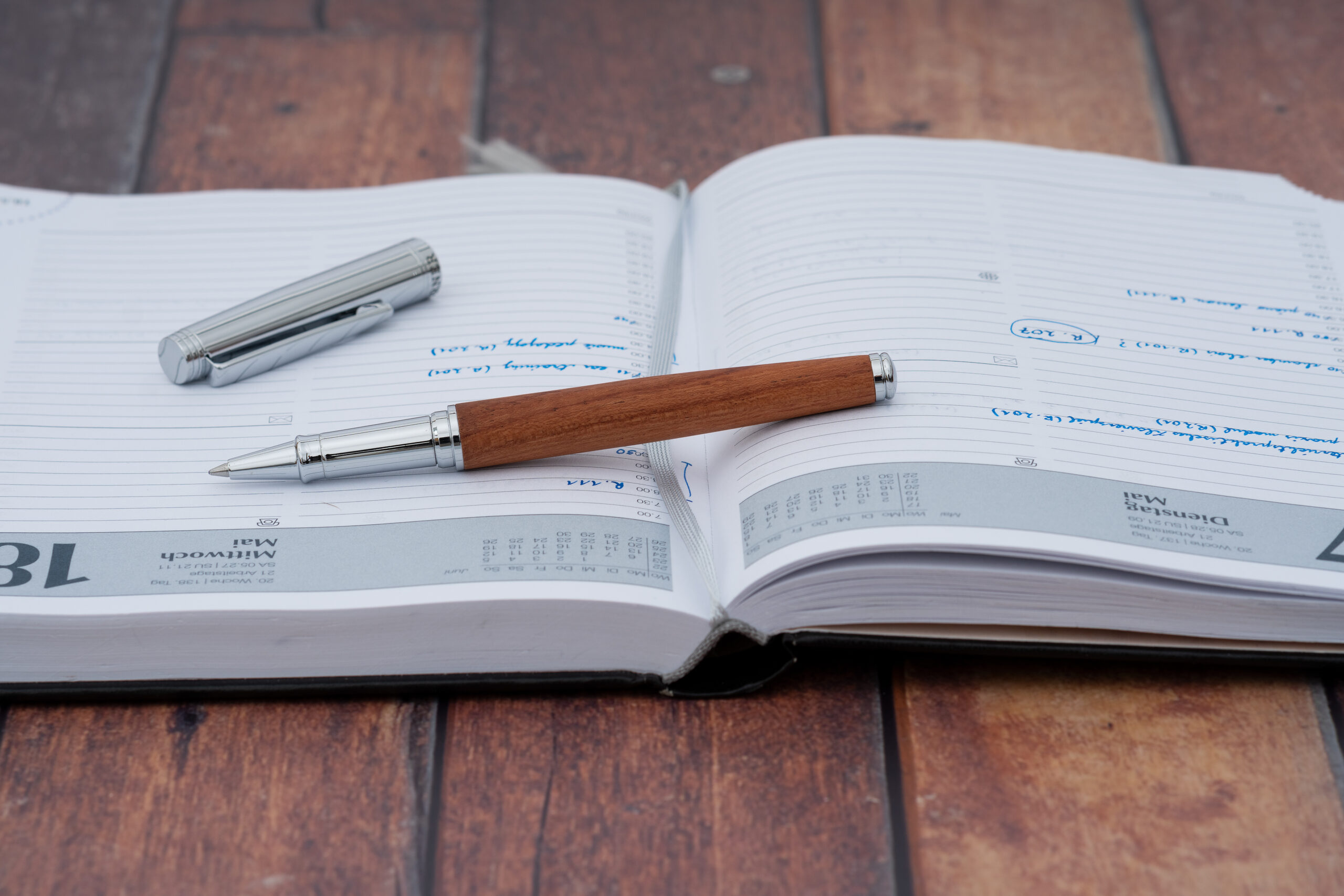
For the classic route, a wood fountain pen with a German JoWo nib lays a confident, fuller line that gives a signature presence. For an expressive, artful mark, a rollerball draws the boldest, smoothest line of any everyday pen. And for the person who signs contracts all day, a metal ballpoint with a document-proof refill keeps every signature waterproof and fade-resistant. Each can be engraved with a name or initials, which makes one a fitting gift to mark a new chapter.
Whichever you choose, it is a traceable pen from a named retailer with duties prepaid. Pick the line weight that fits how you sign, settle on a signature you are proud of, and then use it the same way every time.