How to clean a fountain pen: simpler than you think.
A fountain pen needs the occasional clean, when it blots, when it dries out, or just to keep it writing well for years. The good news: most of the time it takes a few minutes and nothing but cool water. Here is how to do it properly, and what to keep well away from your pen.
Clean a fountain pen by taking it apart and flushing the nib and feed with cool water until it runs clear. A converter pen can draw and expel water to flush itself; a cartridge pen needs the cartridge out first. Let stubborn ink soak in fresh water, even overnight, then dry everything before you reassemble. Skip alcohol, dish soap and hot water. For a pen in daily use, once a year is usually enough.
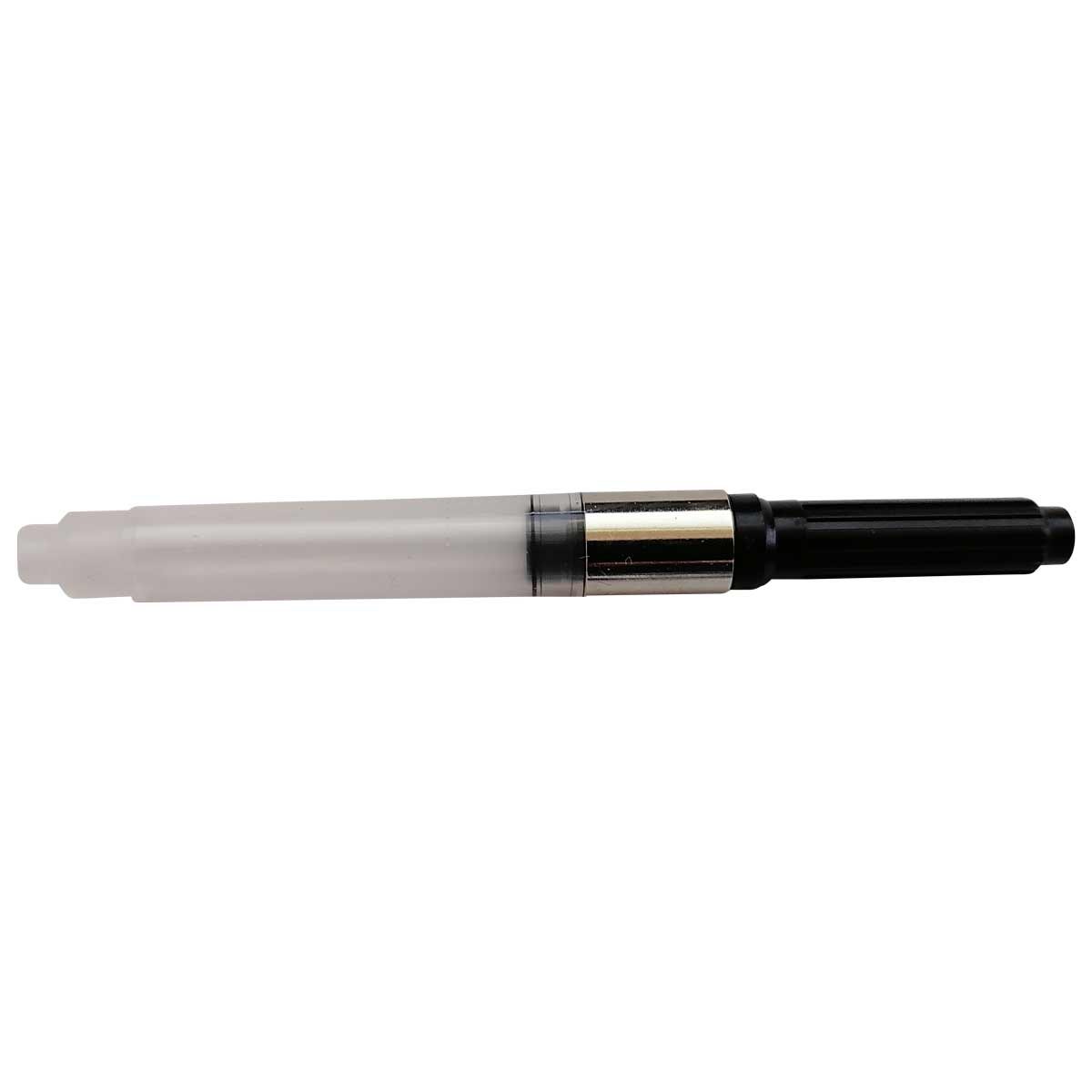
How often should you clean it?
It comes down to how much you write. The more you use a pen, the less often it needs a clean, because ink stays moving and never gets a chance to dry inside the feed.
For a pen in regular use, one thorough clean a year is usually enough. A pen that only comes out for special occasions is the opposite case: ink sits and starts to settle, so plan on a clean roughly every six months.
One more trigger: switching inks. If you use different colors, flush both the pen and the converter every time you change ink. Colors other than classic blue tend to carry pigments that settle faster, so a pen on a bright ink earns a clean more often than one on a steady blue.
| How you use it | Clean roughly | Why |
|---|---|---|
| Daily writer | Once a year | Ink keeps moving, rarely dries |
| Occasional use | Every six months | Ink sits and starts to settle |
| Switching ink colors | At every change | Stops colors mixing in the feed |
| Bright or dark inks | More often | Pigments settle faster than blue |
Step by step, start to finish.
A thorough clean is mostly waiting. The active part takes around fifteen minutes, then you leave the parts to dry. Here is the whole routine.
1. Empty the ink. Pull out the cartridge, or empty the converter, so no ink is left in the section.
2. Take it apart. Unscrew the nib section from the barrel so every part can be rinsed on its own.
3. Rinse the nib and feed. Hold them under cool, running water until the water runs clear. A converter pen can also draw water in and push it out a few times to flush from the inside.
4. Soak the stubborn bits. Stand the nib section in a glass of fresh water and let ink residue loosen. Heavier build-up may need an hour or two, sometimes overnight.
5. Brush the nib. A small, soft cleaning brush lifts residue off the nib and from the gaps a rinse alone misses.
6. Dry, then reassemble. Lay everything on a lint-free cloth with the nib pointing down and let it dry fully before you put the pen back together and refill it.
That is it. No special kit, no chemicals, just water and a little time. The longer guides on the internet make this sound harder than it is.
Reviving a pen with dried ink.
A pen that has sat unused for a while can dry out and stop writing. Most of the time the fix is gentle, and you should always start with the gentlest step.
First, try a little ink. Take the cartridge out briefly and place a drop of ink right on the tip of the nib, then try to write. Often that alone wakes the pen up.
Still nothing? Hold the nib under running water and wipe it with a cloth to clear any ink left around the tip. If it is dried more deeply, take the pen apart, flush the feed with water, and let the nib section soak in a glass of fresh water until the channels clear.
For a really stubborn blockage, a short soak in a weak ammonia-and-water solution can loosen what plain water will not. Use it only as a last resort, only on a metal pen, and rinse thoroughly with clean water afterwards. Whichever route clears it, let the pen dry properly before you write again.
For almost every clean, this is all you need. Remove the cartridge or converter, unscrew the nib section, and hold the nib and feed under cool, running water until it runs clear. If ink still clings, stand the section in a glass of fresh water and let it soak, overnight if it needs it. Use cool water only, never hot, and no alcohol, soap or solvents. Dry on a lint-free cloth, nib pointing down, before you refill.
Alcohol, dish soap, and other bad ideas.
It is a question we hear a lot: can you speed things up with alcohol or a drop of dish soap? The short answer is no.
Both will shift ink faster, true. But alcohol can attack plastic parts of a pen, and dish soap can affect the metal over time. The small saving in minutes is not worth the risk to the pen. Cool water clears almost any ink on its own, given a little patience.
Hot water is the other thing to skip. Heat offers no real advantage for lifting ink, and it can stress the seals and some pen materials. Keep the water cool or lukewarm, and keep household chemicals well away from the pen.
Water and a little patience clean a fountain pen better than any solvent. The chemicals only buy minutes, and they can cost you the pen.From experience · Hörner
Tap water or distilled water?
For most pens, ordinary tap water is perfectly fine. You do not need anything special to get a pen clean.
The one case to think about is very hard water. If your area has it, distilled water is the safer pick, since it leaves no mineral residue behind in the feed. On a good metal fountain pen, either option works well, so this is more about your tap than your pen.
Whichever you use, the rule is the same: rinse until the water runs clear, then let everything dry fully before you refill. Pair a clean pen with fresh bottled ink and it will write like new.
Ultrasonic cleaning: worth it?
You may have seen ultrasonic baths recommended for stubborn build-up. They work by sending tiny bubbles through the water that burst against the pen and lift residue from the smallest gaps.
They do clean well, but opinion is genuinely split, and for good reason. Sometimes an ultrasonic bath cleans a little too well and can affect the metal of the pen or its seals. It is a tool for the rare case that water will not solve, not for a routine clean.
For everyday care, the best approach stays the simplest: use the pen often enough that it does not dry out, and give it a proper water clean once a year. That, more than any gadget, keeps a pen writing for the long run.
Cleaning a Hörner pen.
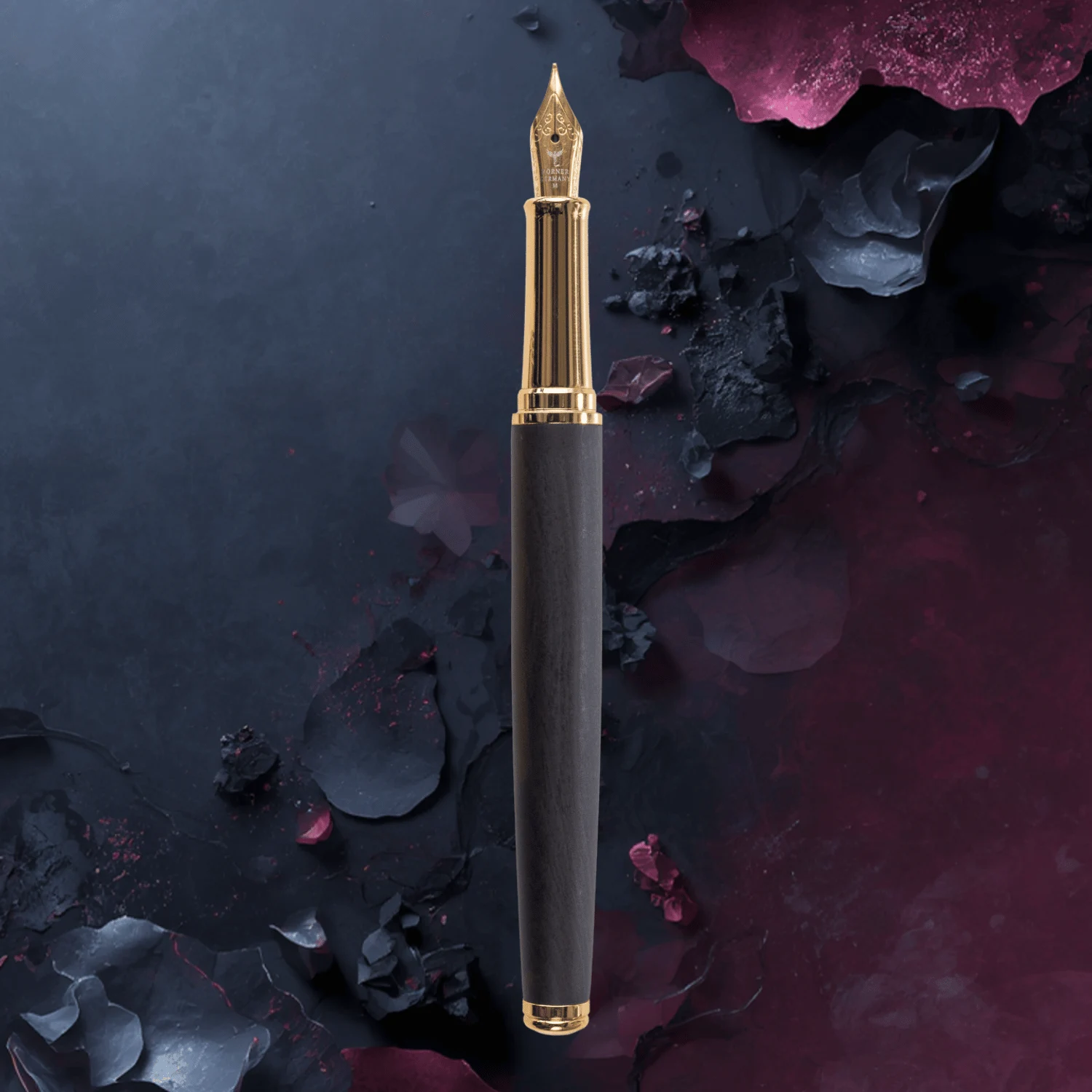
Every Hörner fountain pen pairs a German JoWo nib with the cartridge and converter system, and that makes it about as easy to clean as a pen gets.
There is no built-in piston mechanism to flush, so you simply pull the cartridge or converter, unscrew the section, and rinse the nib and feed under cool water until it runs clear. The included converter rinses out in the same minute, which is handy when you move between ink colors. A soft brush for the nib and an overnight dry, and the pen is ready again.
The best protection, though, is the one habit that costs nothing: write with the pen. A pen in regular use rarely dries out, and a steady ink saves you cleans. A spare converter and a single bottle of ink cover almost everything you will ever need.
A few things that help keep a pen clean and ready: