What to write in a wedding card.
You have the card, you have the envelope, and you have about four inches of space in which to say something that is not on the other ninety cards. This guide gives you the structure, wishes sorted by how well you actually know the couple, the money question answered plainly, and the lines that are best left unwritten.
A wedding card has five parts: greet them both by name, congratulate them clearly, add one personal line, wish them something for the marriage rather than the party, and sign off warmly. Never name the amount you gave. Two to four sentences you mean beats a page of borrowed quotes.
What do you write in a wedding card?
Greet both partners by name, congratulate them, say one specific thing about them, and wish them something for the years rather than for the day. Then sign it and stop. The most common failure of a wedding card is not that it is too short. It is that it is entirely interchangeable.
A couple opens somewhere between forty and a hundred and fifty of these in a single sitting, usually a few days after the wedding, usually tired. Almost all of them say congratulations, wish happiness, and quote something about love being a journey. The two or three that get read out loud to each other are the ones that mention a real thing: how they met, a trait one of them has, a moment from the ceremony that only a few people caught.
So the whole craft of a wedding card is one sentence long. Add the detail only you would write. Everything else in this guide exists to hold that sentence in a shape that reads well.
| Part | What goes in it | Example |
|---|---|---|
| 1. Greeting | Both names, in a natural order | "Dear Anna and Michael," |
| 2. Congratulations | Plain and unqualified | "Congratulations on your wedding." |
| 3. Something personal | A memory, a trait, a moment from the day | "Watching Michael try to get through his vows was the best part of the afternoon." |
| 4. A wish | For the marriage, not the reception | "Here is to a long stretch of ordinary happy years." |
| 5. Close | Sign-off, names, and context if needed | "With love, Tom and Sarah" |
Step three is the one people skip when they are in a hurry, and it is the only step that makes the card yours. If you cannot think of anything, look at the invitation: the venue, the date, how long they have been together. Something in there will remind you of a real thing.
The five-part structure.
Worked through in order, the structure keeps you from the two failure modes: a card that is three words long because you froze, and a card that runs to a page because you did not know where to stop.
Greeting. Both names. If one of them is a stranger to you, that is exactly why they belong in the greeting: a card addressed only to the half you know reads as a card sent to half a marriage. Where the names go in what order, use whatever sounds natural out loud.
Congratulations. Say it once, clearly, without hedging or a joke attached. This is the sentence that does the formal work of the card and it should not have to share the line with anything else.
Something personal. A memory of them as a couple, a trait of one of them, a moment from the day. If you were not there, a line about how they are together works just as well: "I have never seen Anna as relaxed as she is around you."
A wish. Wish for the marriage rather than the wedding, which is already over by the time they read this. The strongest wishes are unglamorous: patience, a good kitchen, a habit of laughing at the same things, years that are boring in the best sense.
Close. Sign-off and names. If the couple may not immediately place you, add a short clause of context. It is a small thing and it saves a couple a genuinely awkward guessing game when they write their thank-you notes.
They will read a hundred cards in an afternoon. Yours is remembered only if it contains something that could not have been written by anyone else.Aus der Praxis · Andre Hörner
Wishes sorted by how well you know them.
The tone that fits a sister does not fit a colleague, and the reverse is worse. Find the row that matches your actual distance from the couple, then replace the brackets.
| Your relationship | Wording to adapt |
|---|---|
| Close friend | "Dear [names], I have watched this thing turn from [how it started] into today, and it has been a genuine pleasure. [Concrete trait or moment.] Wishing you both the long, ordinary, happy version. With love, [name]" |
| Sibling or close family | "Dear [names], I could not be happier to be gaining [name] officially. [Family memory or observation.] Here is to all of it, the good years and the difficult ones. With love, [name]" |
| Parent to a child | "Dear [names], watching you choose each other has been the best part of this year for us. [One concrete thing you have noticed about them together.] We are proud of you both. With all our love, [names]" |
| Coworker | "Dear [names], congratulations on your wedding. [One true line about the colleague you know.] Wishing you both a wonderful start together. Best wishes, [name]" |
| Neighbor or acquaintance | "Dear [names], congratulations from both of us. We have enjoyed [concrete neighborly detail] and we are glad to see this day arrive. Wishing you every happiness, [names]" |
| Attending as someone's guest | "Dear [names], thank you for including me today. It was a beautiful ceremony and [specific detail from it] was lovely. Congratulations to you both. [name], here with [host]" |
| Cannot attend | "Dear [names], I am sorry to be missing today. [Personal line.] I will want the full report and at least one photograph. Congratulations to you both. With love, [name]" |
Note what the last two rows do. Both name the writer's position clearly, which spares the couple the effort of working it out, and both stay short. Being a guest of a guest is not a reason to write less warmly, only a reason to be clear about who you are.
Cash gifts, and the one rule about them.
Cash is entirely normal at American weddings, and the card is usually what carries it. That makes one convention worth stating plainly, because it is the mistake guests most often make in good faith.
Do not name the amount, and do not describe the gift. Not in the message, not in a postscript, not as a joke about it being modest. The card is read alongside the marriage, and a number in it turns a gesture into a receipt. The couple will see the amount when they open the envelope. They do not need it announced twice.
There is one accepted exception. If the couple named a fund and you are giving toward it, tying your line to that fund is welcome: "We hope this gets you a good dinner somewhere in Portugal." Even here, no figure. The purpose is the point, not the size.
On how much, the honest answer is that it depends on your closeness and your circumstances, and nothing else. Etiquette coverage through 2026 puts the usual US range at roughly $75 to $200, with $100 to $150 the figure that comes up most often, and $150 to $300 and above reserved for siblings, close relatives and the wedding party. It is close to unanimous that the older idea of covering the cost of your plate has been dropped. A gift is a gesture, not a settlement of the catering bill.
The same rule holds. Do not explain the gift in the card, do not apologize for its size, and do not preannounce that something is arriving later. If it genuinely needs a note, put a separate slip in the box. The card stays about the marriage.
Short wishes you can use as they stand.
For the card that has to be written in the parking lot before the ceremony. Each one is complete. Add a name and one detail if you have thirty seconds more.
| Situation | Message |
|---|---|
| Always correct | "Congratulations to you both. Wishing you a marriage as good as today. With love, [name]" |
| Warm and specific | "Congratulations, [names]. [Concrete detail about them.] Here is to a very long run of it." |
| Formal | "Warmest congratulations on your marriage. Wishing you both every happiness in the years ahead." |
| From a family | "Congratulations from all of us. We are so glad to have been part of today. With love, the [surname] family" |
| Toward a honeymoon fund | "Congratulations to you both. We hope this helps make the trip a good one." |
| To a couple together a long time | "Congratulations, finally, officially, and about time. [Detail.] Wishing you both many more." |
| Sent from a distance | "Congratulations to you both from [place]. Sorry to be so far away today. Thinking of you and raising a glass at the right hour." |
The sixth line only works if the couple would say it themselves. Affectionate teasing about a long engagement is a joke they have usually made first; if they have not, leave it out.
The envelope, the signature, and the timing.
The envelope. Both names, spelled correctly, which is worth a check rather than a guess. "Anna and Michael Reid" if they share a surname, "Anna Reid and Michael Chen" if they do not, and first names alone if you are not sure what they have decided. The old "Mr. and Mrs. Michael Reid" form erases one of them, and many couples read it that way.
The signature. Sign the way the couple knows you. From a couple, both names. From a household with children, the family form is fine. The detail that matters is context: if there is any chance they cannot place you, name how they know you. They will be writing thank-you notes from these cards, and a card signed "Tom" from a guest list containing four Toms is a small, avoidable problem.
The timing. Bring it to the reception if there is a card box, or send it with a gift shipped ahead. If you are not attending, aim for it to arrive close to the date. Anything up to a couple of months after the wedding still lands well; a card that turns up at the first anniversary is a different kind of card and should acknowledge that it is late.
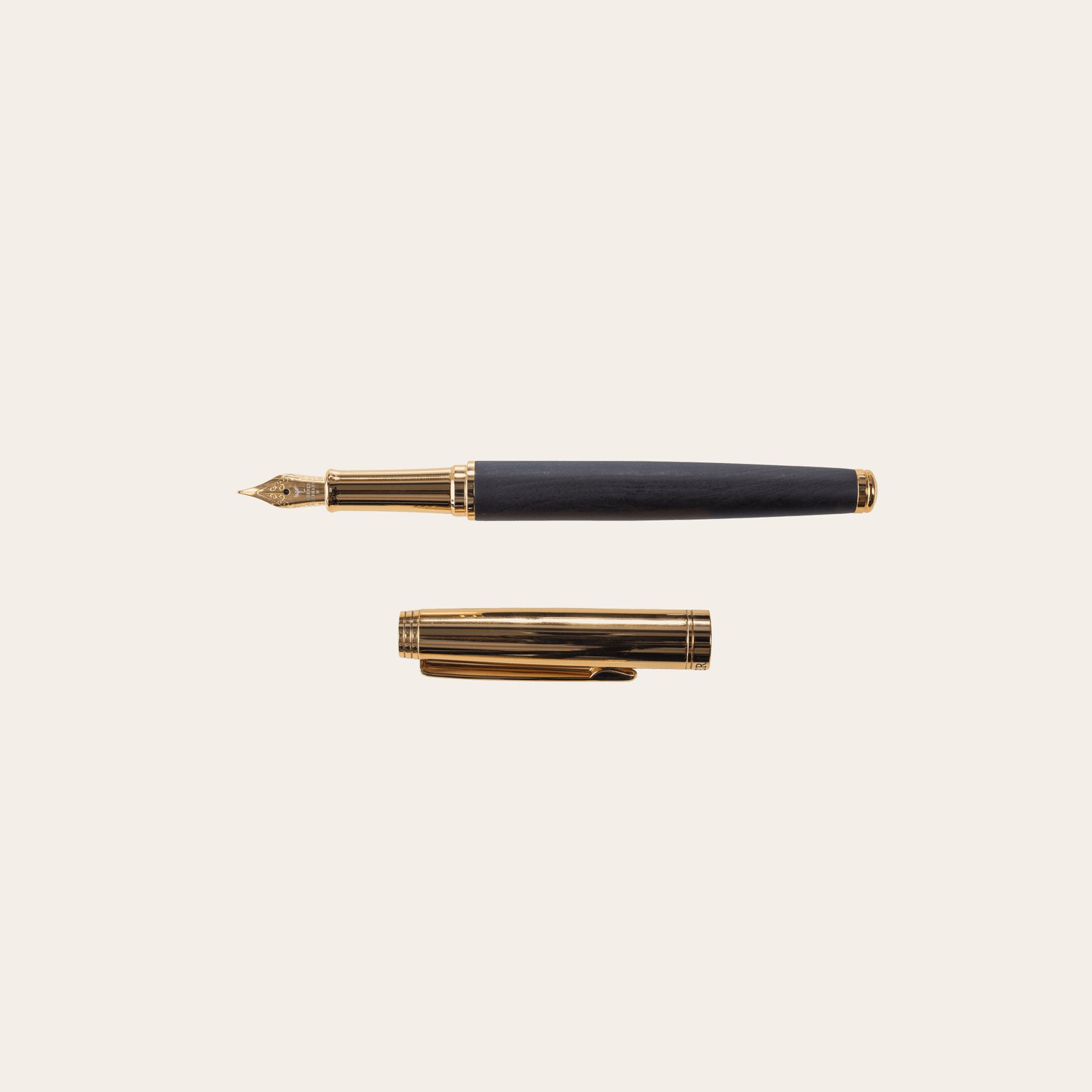
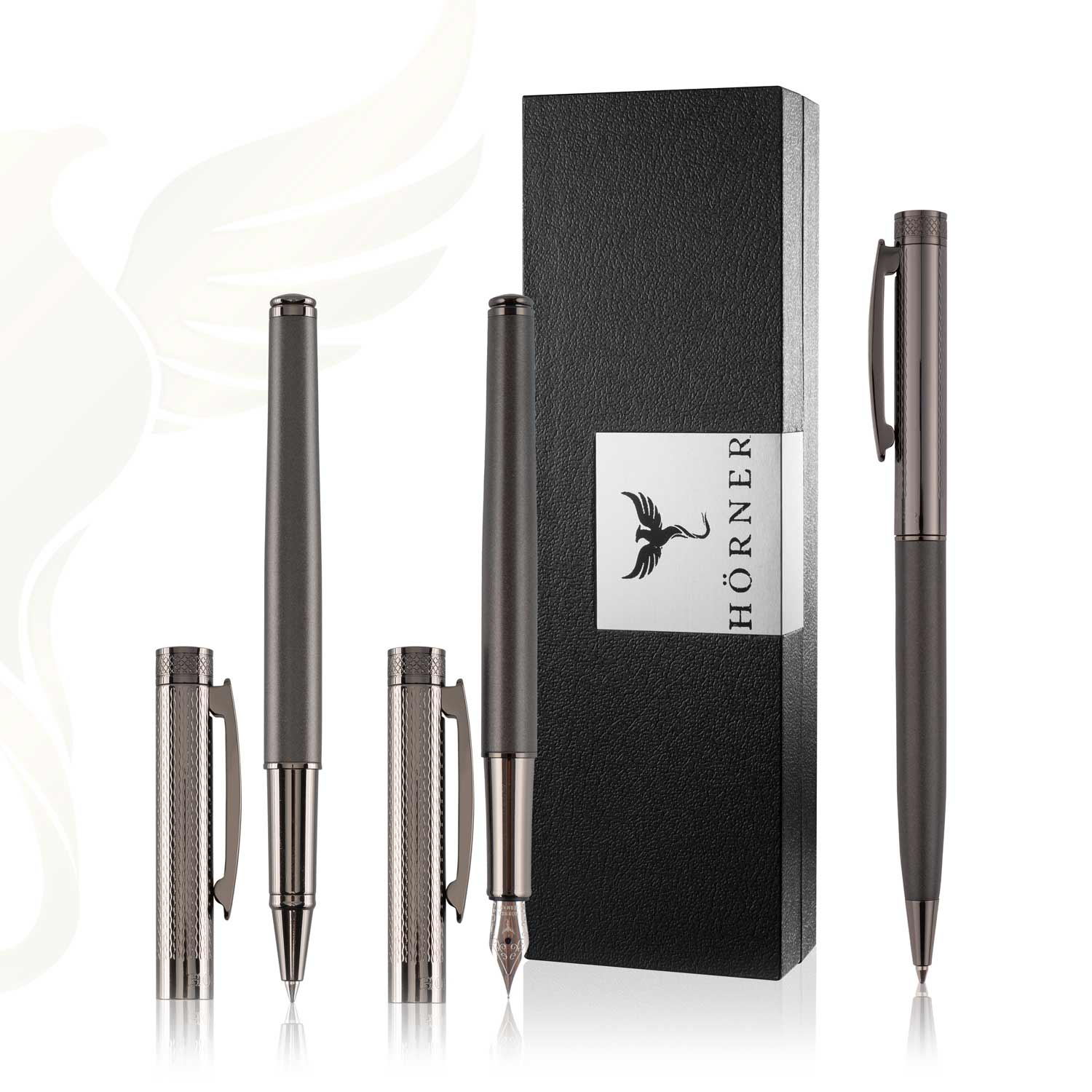
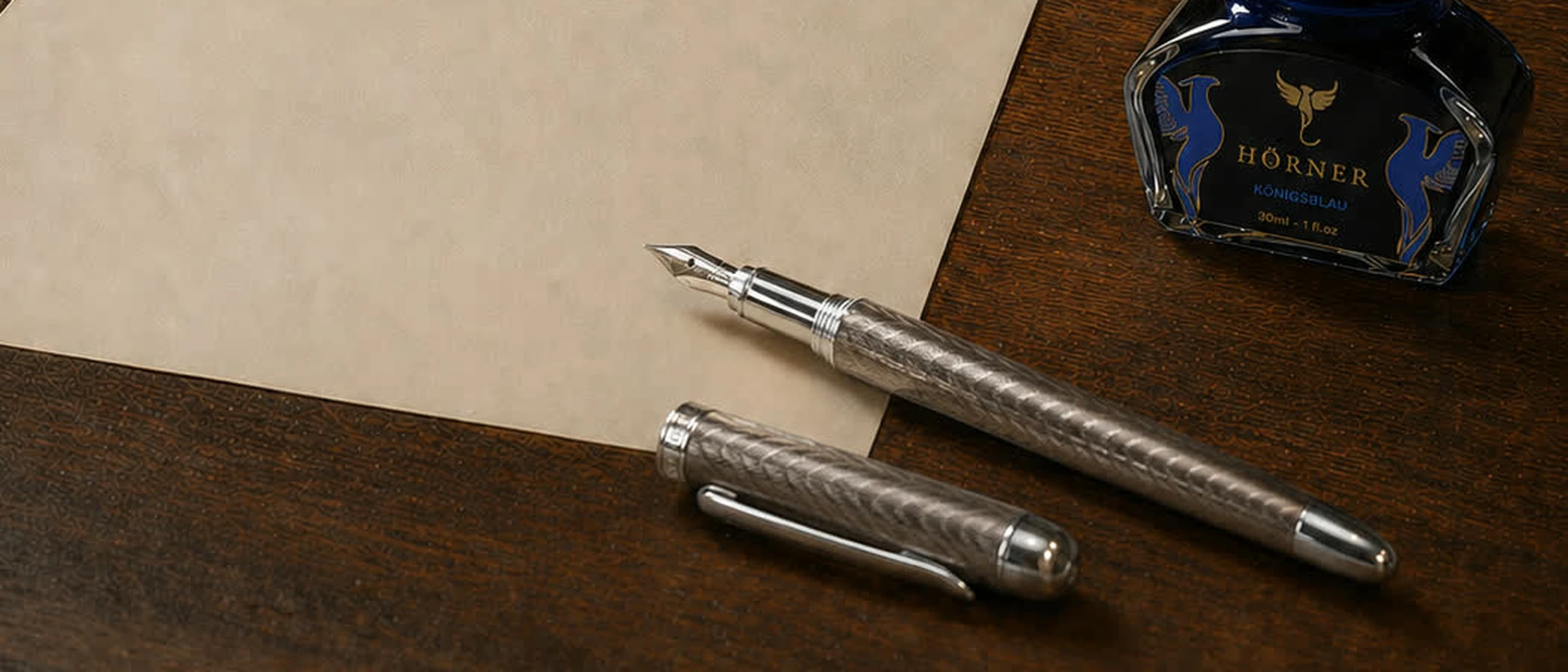
By hand. Wedding cards get kept in a box and read again on anniversaries, which is not true of much else people write. Use a pen that will not skip on card stock and write slowly enough to stay legible. If you are giving the pen as the gift, writing the card with it first is a good touch and costs nothing.
Second marriages, long engagements, and other cases.
A handful of situations make people hesitate. In almost every one, the answer is to write the ordinary card and leave the complication alone.
| Situation | How to handle it |
|---|---|
| A second marriage | Write the same card you would write for a first. No acknowledgment, no comparison, no relief expressed on their behalf. |
| A couple who already live together, or have children | The wedding still means something to them or they would not have had one. Congratulate the marriage, mention the children only if they are part of the day. |
| A same-sex couple | Identical wording, identical warmth. Skip "bride and groom" language and use their names, which is better practice for every couple anyway. |
| A small or courthouse wedding | Do not treat it as a lesser event or express regret that it was not bigger. Congratulate the marriage they chose to have. |
| You do not know one partner at all | Say so warmly and openly: "I am looking forward to actually meeting you, Michael." That is charming. Pretending otherwise is not. |
| You have reservations about the marriage | Then write the shortest correct card and nothing else. A wedding card is not the venue, and it is permanent. |
What you'd better not write.
Most of these are said with a smile and land differently on paper, months later, when the couple reads the box again.
| Better left out | Why |
|---|---|
| The amount you gave | It converts a gift into an invoice, and it is the one thing everyone agrees does not belong. |
| Ball-and-chain humor | Jokes about lost freedom are jokes about the thing they just chose. They read as unkind on the page. |
| "When are the babies coming?" | You do not know what that question costs them. Never in a card. |
| References to an ex | Including the flattering kind. There is no version of this that improves the card. |
| Long famous quotes | Four other guests picked the same one. Your own plain sentence is rarer and better. |
| Advice framed as a warning | "Enjoy it while it lasts" is a joke to the writer and something else entirely to the couple. |
| Inside jokes the other partner will not get | They read the card together. A line only one of them understands leaves the other outside it. |
Cut all of it and you are left with a name, a congratulation, one true observation and a wish. That is a good wedding card, and it takes about ninety seconds.