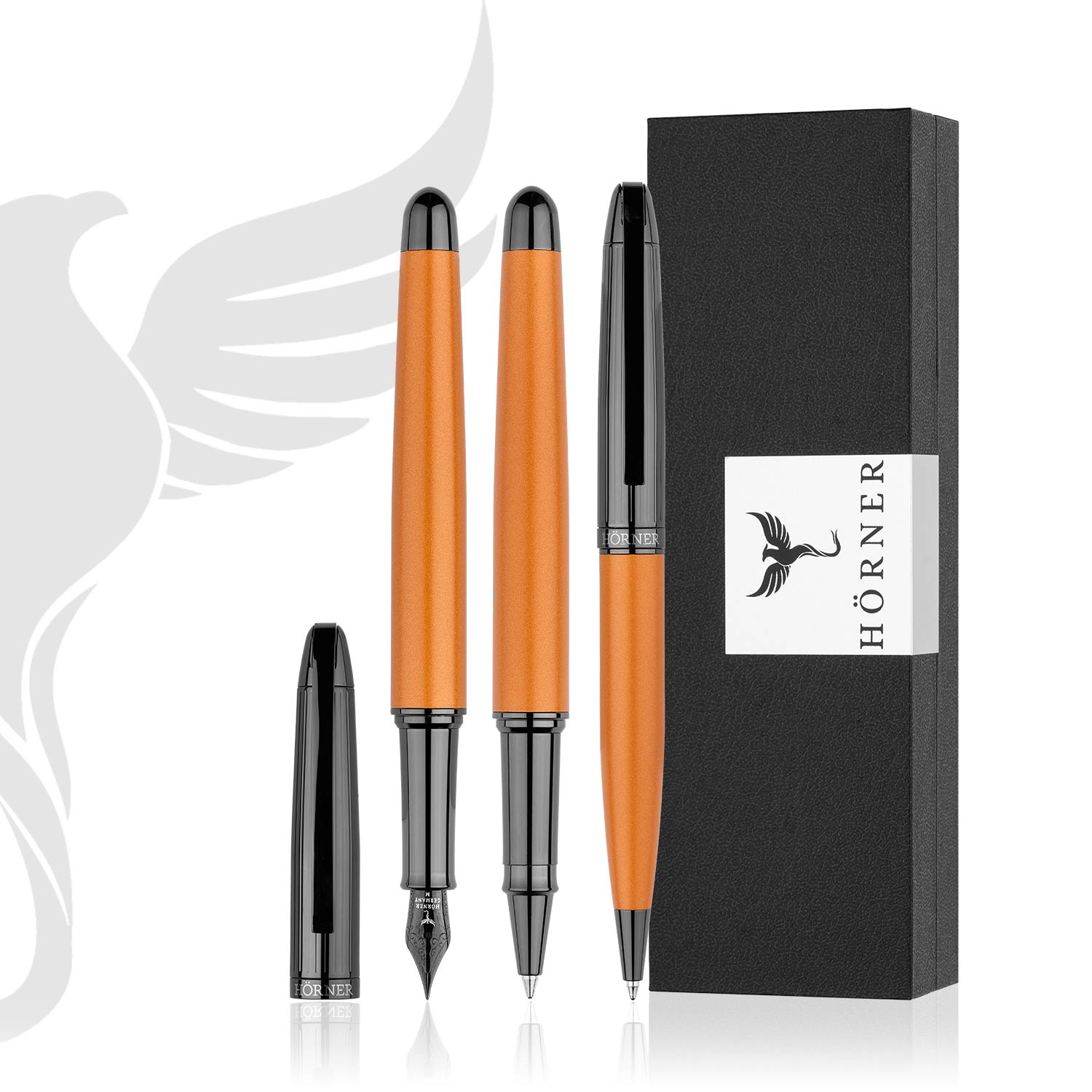
Gifts for your boss that land just right.
Too personal feels awkward, too expensive looks like currying favor, and too cheap reads as an afterthought. The line is narrow, but it is easy to hit. This guide covers how much to spend, the etiquette of gifting up, ideas by occasion, what to avoid, and why a team gift is usually the smarter call.

From one person, $20 to $50 is the usual range; a group gift can go higher. Keep it useful and never too personal, an engraved pen, a notebook, good coffee, a gift card. A team gift is the safe choice and removes any hint of currying favor. And a gift to your boss is a personal gift, not a business expense, so there is no tax angle to worry about.
How much to spend, and the etiquette of gifting up.
Start with the part nobody says out loud: you are not obligated. In US workplaces, gifts flow downward more than upward. A manager might give something to the team, but employees are never required to give to a boss, and a good manager never expects it.
So if you do give, keep it modest. Twenty to fifty dollars from one person is the usual range. A group gift can sensibly go higher, because the cost is shared and the gesture carries more weight. The point is appreciation, not the price tag, and anything that looks expensive risks reading as currying favor rather than thanks.
| Who is giving | Typical budget | Note |
|---|---|---|
| One person | $20 to $50 | Keep it modest, never showy |
| A group or team | $5 to $20 per person | Pools into one better gift |
| A close, long-term report | Up to about $75 solo | Only when the relationship is genuinely close |
When in doubt, give a little less rather than a little more. A modest, well-chosen gift never misfires. An extravagant one can.
By occasion: Boss's Day, holidays, a birthday, a farewell.
The occasion shifts the right tone. What suits a birthday can feel too personal at the holidays, and a farewell carries an emotion that would be out of place on an ordinary Tuesday.
- National Boss's Day (October 16). The obvious US occasion. A card from the team plus a small shared gift is the norm, kept light and sincere rather than lavish.
- The holidays. Neutral and team-led. Food, a nice pen, a book, or a restaurant gift card, in the 20 to 50 dollar range per person. A gift everyone signs for avoids any awkwardness.
- A birthday. A little more personality is fine if you know them. Tie it to a known interest, and keep anything more substantial to a group.
- A farewell, promotion, or retirement. This is when something more lasting fits. Here a card signed by the whole team, with a real line or two from each person, matters more than the object itself.
What to give: useful, not too personal.
The safest gifts are useful and neutral. Things that sit on a desk and get used, that say nothing about appearance, taste in clothing, or anything private.
A good pen is the classic boss gift for a reason. It is professional, used daily, and personal without being intimate. Engraved with initials, not a private message, it becomes a quiet one-off that a manager actually keeps. Other safe options work the same way: a quality notebook, a desk accessory, good coffee or a box of chocolates, a restaurant or bookstore gift card. All are generous without ever crossing a line.
Keep it simple. Initials or a name on the metal cap of a pen reads as deliberate; a private message or an inside joke reads as too close. We laser-engrave the metal of the pen, never the leather, at $10 per pen. Engraving is permanent, so confirm the spelling in the live preview before you order.
What to avoid.
1. Anything too personal. Cologne, clothing, jewelry, cosmetics. They touch the body and belong outside work, even if you know their taste.
2. Too expensive. A lavish solo gift reads as currying favor and can put your boss in an awkward spot. Keep it modest, or pool a group gift.
3. The gag gift. The World's Best Boss mug and the novelty set are rarely as funny as they seem from the store.
4. Alcohol by default. Plenty of people do not drink, and taste varies. Only give it if you know it is welcome.
5. The hidden message. A time-management book or a self-help title is not a compliment, however it is meant.
On your own, or as a team.
A group gift is usually the smarter call. It shares the cost, carries more weight, and removes any hint of singling yourself out. In a hierarchical office especially, the team gift is the safe one.
| A solo gift | A team gift | |
|---|---|---|
| Impression | personal, but riskier | professional, broadly shared |
| Budget | $20 to $50 | $5 to $20 per person, pooled |
| Best when | a genuinely close, long relationship | most situations, especially formal ones |
| Risk | can look like currying favor | almost none |
When you are not sure, give as a team and keep it modest. A shared, well-chosen gift almost never misfires.From experience · Hörner
If you do organize a group gift, one person collects, set a small per-head amount, and add a card everyone signs with a line or two each, not just a signature. That card is what your boss remembers, more than the gift it came with.
A note on tax and workplace rules.
As general information and not tax or legal advice: a gift you give your boss out of your own pocket is a personal gift, not a business expense, so there is nothing to deduct. The $25 IRS limit people mention applies to a business gifting its clients or partners, not to you gifting your manager.
Two things are worth a quick check before you give:
- Company policy. Some employers, and many in finance, healthcare, and government contracting, set gift limits or require disclosure. A glance at the handbook saves trouble.
- Government and federal employees. Federal ethics rules generally prohibit giving a gift to a superior, with narrow exceptions: items worth $10 or less on an occasional basis, gifts on special infrequent occasions such as a wedding or retirement, and voluntary group gifts of nominal contributions. If your boss is a federal employee, stay within those lines.
Otherwise, in an ordinary private-sector job, there is no tax angle to worry about. Give what suits the relationship, keep it modest, and let the gesture do the work.